
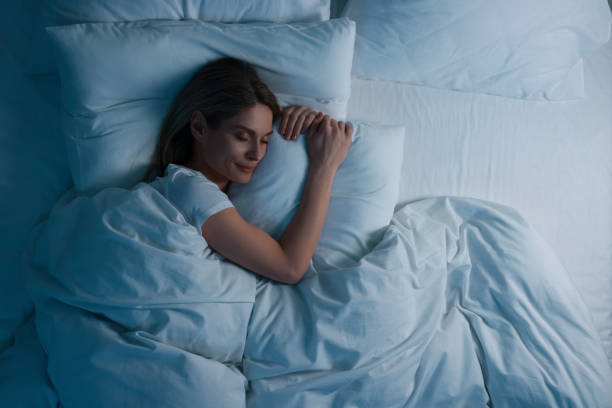
Educational guide to structured inhale–exhale patterns for evening calm. Practice seated or lying down; stop if uncomfortable. Not medical instruction.
Inhale through the nose for four counts, exhale for six. The longer exhale gently stimulates the parasympathetic branch of the autonomic nervous system, which supports rest-and-digest states. Keep the breath silent and unforced; if four feels long, use three in and five out. Place a hand on the lower ribs to feel lateral expansion rather than lifting the shoulders.
Run the cycle for three to eight minutes. When the mind wanders to tomorrow’s calendar, note “planning” and return to counting without judgment. Wandering is expected; the skill is returning. If nasal congestion blocks airflow, breathe through pursed lips on the exhale instead.
Published summaries of slow-breathing research sometimes describe self-reported calm and heart-rate variability changes; experiences are not uniform. A simple two-week log of how you feel at lights-out can help you decide whether to keep a practice—without treating one evening as a final verdict.
Equal phases—inhale four, hold four, exhale four, hold four—give the brain a square rhythm to track. Useful when thoughts feel scattered after evening email checks. Draw an imaginary square with your finger while you count; the mild movement adds a motor anchor.
Holds should stay gentle, never straining. Skip holds if you have uncontrolled high blood pressure concerns or feel air hunger; stick to 4–6 without pauses. Practice earlier in the evening first; near bedtime, favor exhale-heavy patterns over long holds, which some people find activating.
Pair with dim light and a closed laptop. The cue “lid down, one box cycle” links work shutdown to body calm. Three minutes is enough on heavy days.
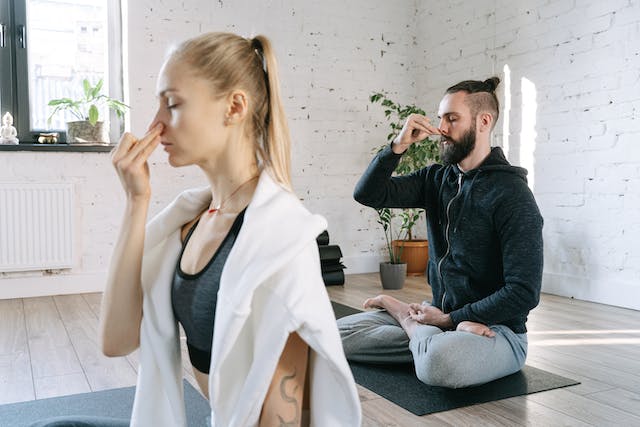
Slouching compresses the diaphragm and encourages shallow chest breathing, which can feel like “cannot get a deep breath” at night. Roll shoulders back once, then let them settle neutral. Imagine inflating a balloon in the belly, not the upper chest.
Side-lying is fine: knees slightly bent, pillow between them if hips feel tight. Back-sleepers can place a light book on the belly as feedback—it should rise on inhale. Stomach sleeping often strains the neck; if you use it, choose a thin pillow.
After cycling or gym sessions, wait until heart rate feels normal before paced breathing; otherwise breath hunger can spike. A warm shower beforehand softens rib cage muscles and makes belly movement easier to feel.
These practices teach self-regulation, not diagnosis. Loud snoring, gasping awakenings, or daytime sleepiness despite long time in bed warrant professional sleep assessment. Breath work complements—but does not replace—clinical care when symptoms persist.
Ask a questionNasal inhale filters and warms air; nasal exhale is ideal when clear. Mouth exhale through pursed lips is fine during colds. Avoid mouth-only rapid breathing before bed—it can feel stimulating.
Yes, at low volume and warm screen tint. Keep sessions offline when possible to avoid notification spikes. Manual counting builds skill without devices.
Finish active counting five to fifteen minutes before lights-out; transition to reading or stretching so breath pace feels natural, not forced.